Every custom home is built in roughly the same eight phases, in order: site work, foundation, framing, dry-in, mechanicals (rough-in), insulation and drywall, interior and exterior finishes, and the final walkthrough. Knowing the sequence turns a confusing months-long process into a map you can follow — you always know what’s happening now, what’s next, and where the big inspection and decision points fall.
As the buyer’s guide, here’s each phase and what it means for you.
Plumbing, electrical, and HVAC get run through the framed walls before they’re covered. This is a key inspection point, and the last easy moment to adjust anything inside the walls — outlets, switches, plumbing locations.
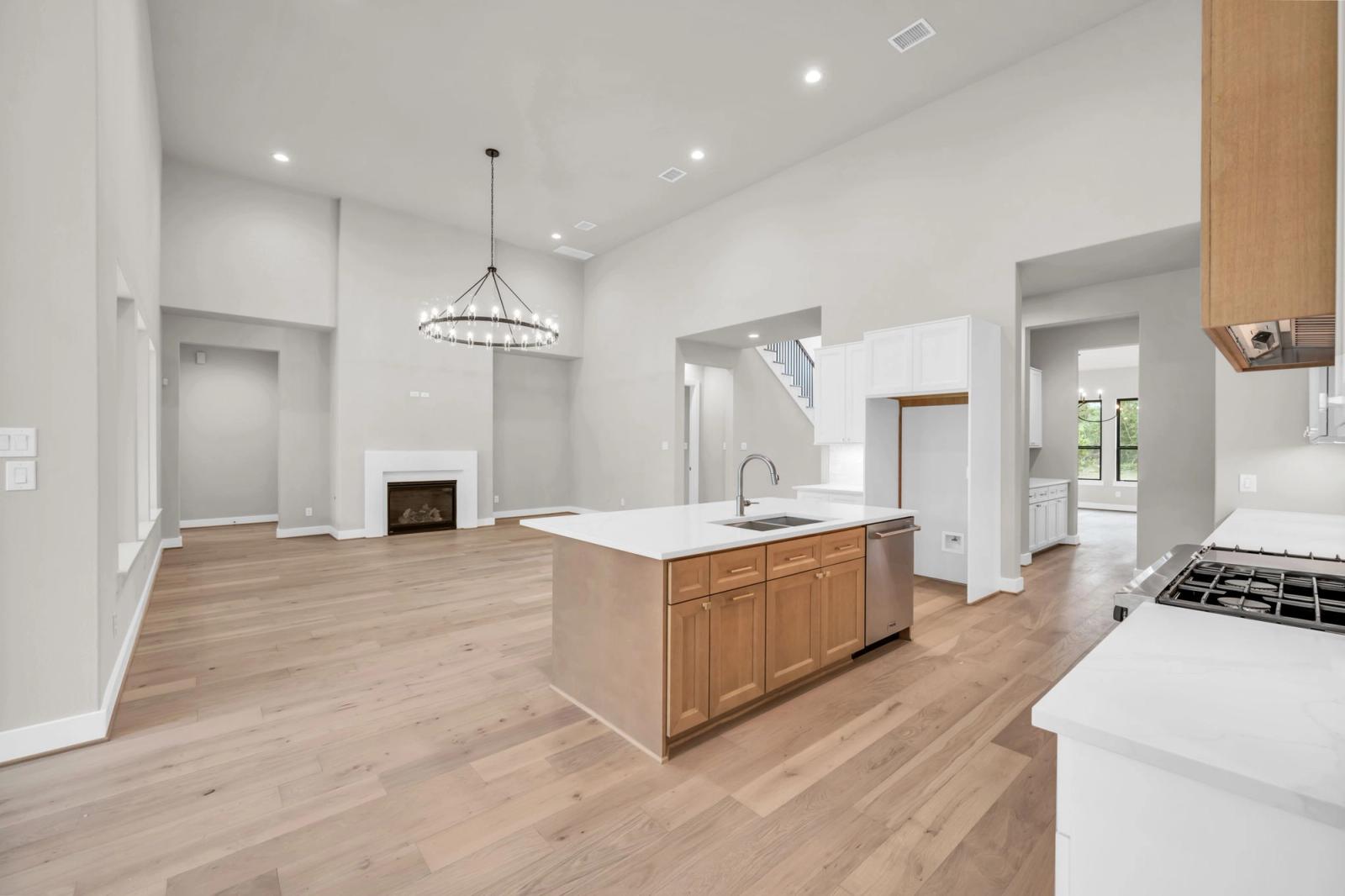
Before you close, you and your builder walk the finished home and build a punch list of anything to fix — covered fully in the final walkthrough checklist. Then it’s cleaning, final inspections, and the keys.
We help buyers understand and track every phase, so you know what to look for and when.
Get Build GuidanceYou do not need to watch every phase equally. A few moments deserve real attention because they are hard or costly to change afterward. The pre-drywall walk — after mechanical rough-in, before insulation and drywall — is the big one: it is your last easy look inside the walls, and the right time to confirm outlet and switch locations, plumbing, and anything you wanted in the framing. The foundation pour and the framing stage are worth being present for too. Once the walls close up, changes get expensive fast.
Buyers often get anxious after dry-in, when the dramatic curb progress stops and the work moves inside. This is normal. Mechanical rough-in, insulation, drywall, and finish work are detailed and less visible from the street, but they are where much of the quality and most of your budget actually live. The home is not stalling — it is getting precise. Trust the sequence, lean on your inspection checkpoints, and let the finish work take the time it needs.
Rough timing helps you read progress. Site work and foundation together often run three to six weeks, weather permitting. Framing goes up fast — a week or two for the shell on a typical home — followed by dry-in. Mechanical rough-in, insulation, and drywall take several weeks of less-visible work. Finishes are the longest interior stretch, often a couple of months, because they include everything from flooring and cabinets to trim, paint, and fixtures. Add exterior work — brick or stucco, driveway, landscaping — running alongside, and the finished-home stretch fills out the back half of your schedule.
Roughly eight, in order: site work, foundation, framing, dry-in, mechanical rough-in, insulation and drywall, interior and exterior finishes, and the final walkthrough. Knowing the sequence turns a confusing months-long process into a map you can follow.
It’s a walk after mechanical rough-in and before insulation and drywall — your last easy look inside the walls to confirm outlet and switch locations, plumbing, and anything in the framing. It’s one of the most important moments to be present for. See inspections during the build.
Roughly: site work and foundation three to six weeks, framing and dry-in two to four weeks, mechanicals through drywall three to six weeks, and finishes six to ten weeks — all weather- and decision-dependent. Finishes are the longest single stretch.
You do not need to watch every phase with equal intensity — a few moments carry outsized weight because they are hard or costly to change afterward, and the rest you can largely trust to your builder and your inspections. The foundation pour and framing are worth seeing in person; they are the bones of the house. But the single most important moment is the pre-drywall walk, after mechanical rough-in and before insulation and drywall. It is your last easy look inside the walls, and the right time to confirm every outlet and switch location, plumbing runs, and anything you wanted captured in the framing. Bring your plans, walk slowly, and speak up — once the walls close, changes get expensive fast, and this is the checkpoint that prevents the most regret.
Inspections happen at key phases (foundation, framing, mechanical, final), and any changes are cleanest before the walls close. See inspections during the build and understanding change orders. Full guide: Groundbreaking to Move-In.