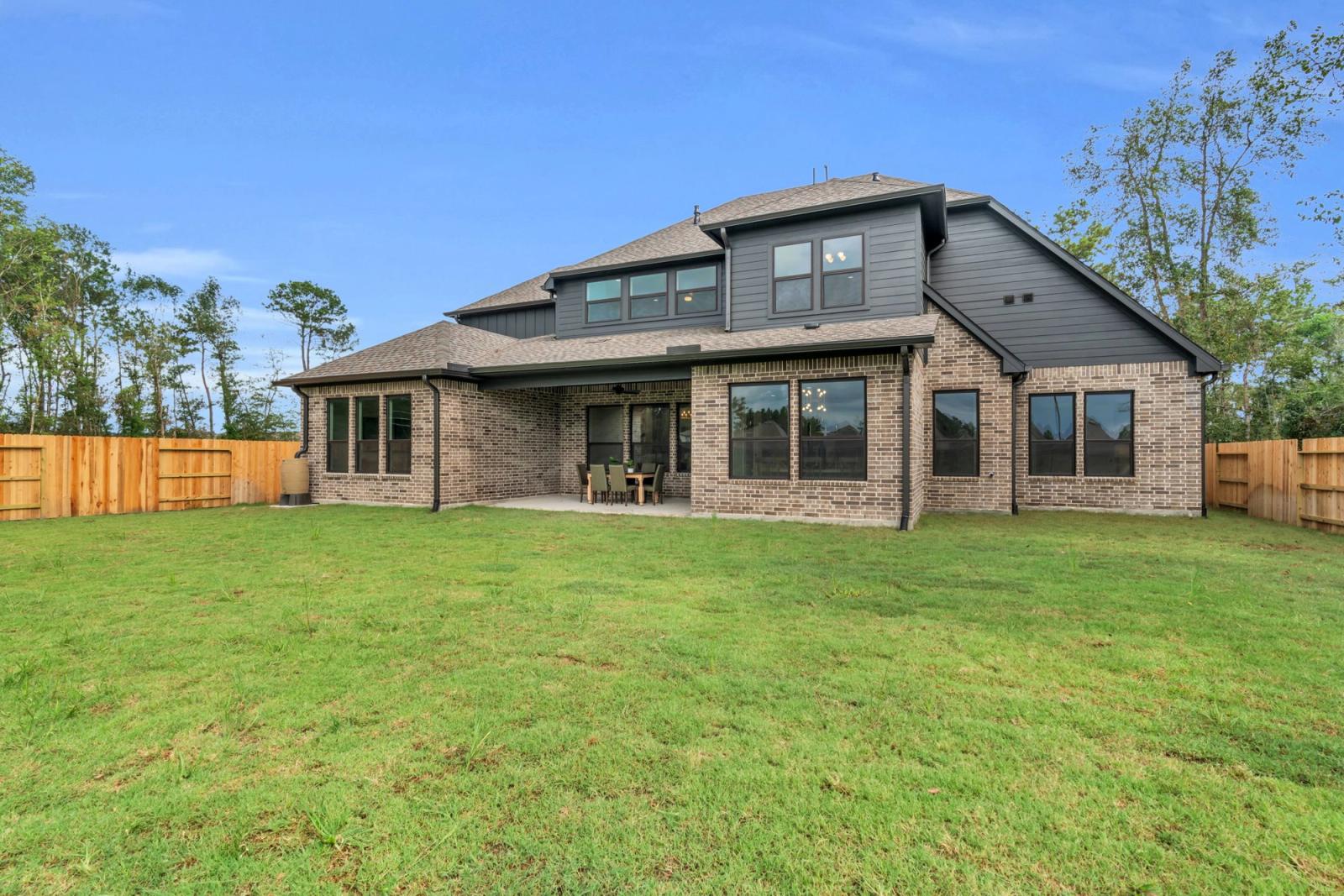
The right way to compare custom home builders in Houston is on five things, and price is only one of them: the pricing model (fixed-bid vs cost-plus), the contract terms, the build quality you can verify, how they communicate, and their financial stability. The lowest bid from a builder who nickel-and-dimes change orders or runs thin on cash will cost you more than a fair bid from a solid one. Comparing builders well is the single highest-leverage decision in your whole build.
As the buyer’s independent guide, this is the comparison we run with every client. Here’s the framework.
Builders in Houston generally price one of two ways: a fixed-bid (a set contract price) or cost-plus (actual costs plus a builder’s fee or percentage). Each has trade-offs, and comparing a fixed-bid to a cost-plus on sticker price alone is apples to oranges. Understand both before you compare — we cover them in Understanding Builder Pricing Models.
Two bids at the same number can mean very different things depending on the allowances, the change-order terms, the draw schedule, and the warranty. A “cheaper” builder with low allowances for finishes will catch up to you at selections. Read the terms, not just the total — see Builder Contracts Explained.
You’ll work with this builder for the better part of a year. Slow responses, vague answers, and defensiveness during the bid don’t improve after you sign. How they communicate now is how they’ll communicate when there’s a problem — and there’s always a problem. More on this in Personality Fit & Communication.
A builder who’s stretched thin can stall your project if their cash flow hiccups. It’s fair to ask how long they’ve been building, how many homes they run at once, and how they handle supplier payments. A stable builder protects your timeline and your deposit.
We help buyers vet and compare builders on all five factors — not just the bid. Get an honest read before you sign.
Get a Builder ShortlistHouston has builders at every level, from value semi-custom to true luxury custom. A luxury custom builder isn’t “better” for a mid-range budget — they’re built for a different scope, and their overhead shows up in your price. Match the builder’s tier to your actual project, not to the nicest model home you toured.
When you are comparing three or four builders, memory blurs them together fast. Put them side by side on paper. Score each on the five factors — pricing model, contract terms, verifiable quality, communication, and financial stability — and weight the ones that matter most to you. A builder who wins on price but scores poorly on communication and references is not the safe choice, and a scorecard makes that obvious in a way a stack of separate proposals never will.
A great luxury builder is the wrong pick for a value-focused semi-custom home, and vice versa. Overhead, systems, and pricing all scale with the tier a builder is built for. The best comparison is not “who is the best builder in Houston” but “who is the best builder for this lot, this budget, and this scope.” That framing quietly eliminates half your list and makes the remaining choice much clearer.
Ask past clients specific questions: Was the final price close to the contract? How were change orders and surprises handled? Would you build with them again — and what would you do differently? A builder’s own confidence in handing you those numbers tells you as much as the answers. Evasion here is one of the loudest signals there is.
Confirm licensing and insurance, tour homes they built three to five years ago, call recent references including a hard build, and check for complaints or legal history. How openly they share all of this is itself a signal — see the red flags to watch for.
Only if it’s the lowest bid on identical scope from a builder who also scores well on quality, communication, and stability. A low number built on low allowances or vague change-order terms isn’t actually low — read builder contracts.
Mostly scope and overhead. A luxury custom builder is built for a different price tier, and that overhead shows up in your bill. Match the builder’s tier to your actual project rather than to the nicest model home you toured.
Score builders across all five factors, weight them for what matters to you, and don’t let a low bid override the rest. Then watch for the red flags worth walking away from, and use the questions to ask before hiring. The Builder Selection & Design guide ties it together.