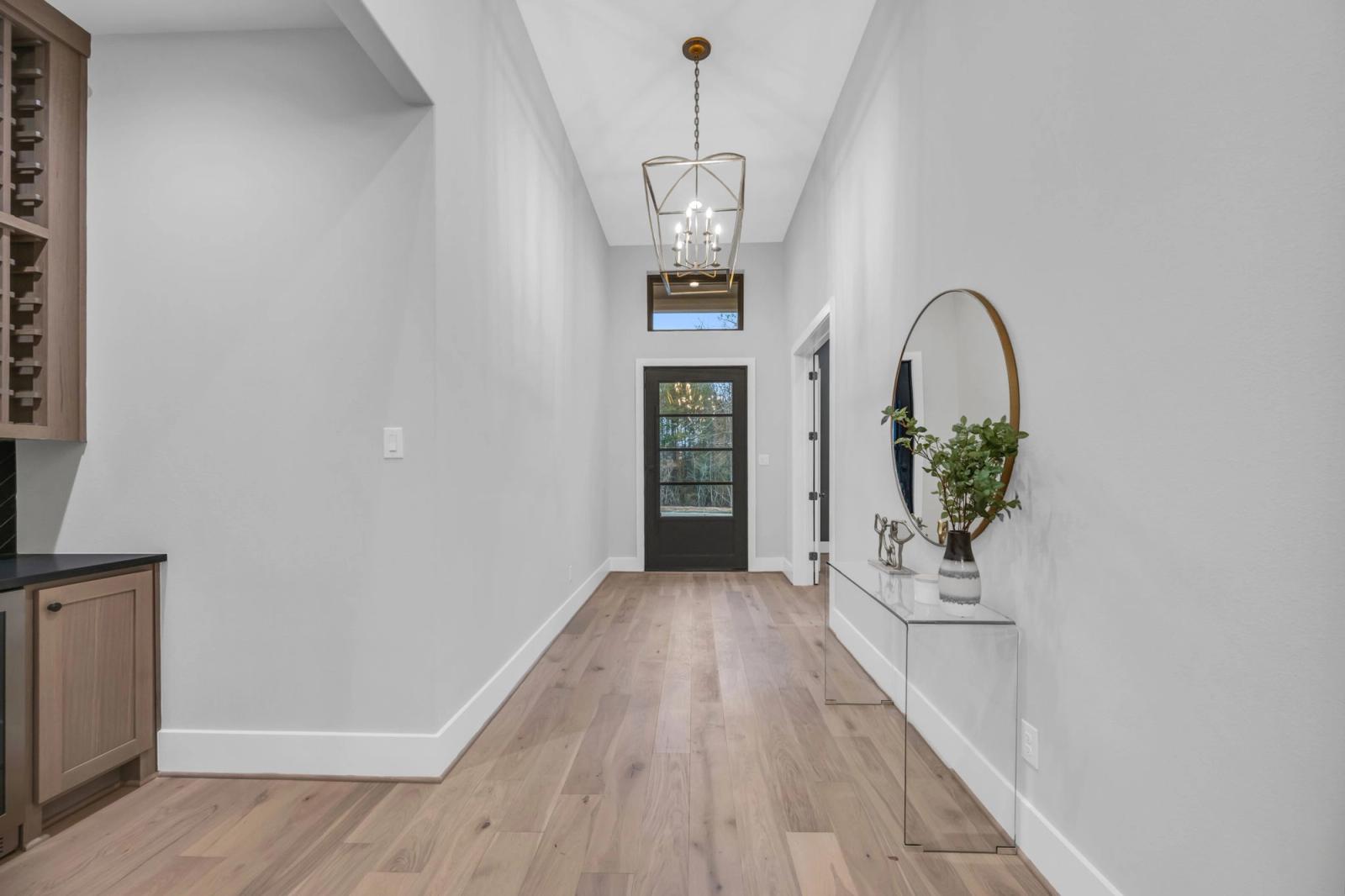
The single most useful budgeting rule in custom building is this: spend on structural decisions and go easier on cosmetic ones. Structural choices — layout, ceiling heights, window placement and size, roofline, foundation, and anything behind the walls — are expensive or impossible to change once the home is built. Cosmetic choices — paint, light fixtures, hardware, even countertops and flooring — can be upgraded years later for a fraction of the cost. Put your money where it’s permanent.
This one idea protects more budgets than any other, so as the buyer’s guide, we drill it with every client.
At selections, it’s tempting to pour money into finishes because they’re what you see in the showroom. But a builder-grade faucet you replace in three years costs almost nothing to change, while a primary suite you wish were bigger is a permanent regret. Get the structure right first; let the finishes evolve.
We help buyers put their money into the decisions that are permanent and save on the ones that aren’t.
Get Budget GuidanceSpend on structural decisions that are hard or impossible to change later — layout, ceiling heights, window size and placement, roofline, and foundation. Go easier on cosmetic choices like paint, fixtures, and even counters, which you can upgrade years later for far less.
Structural: the floor plan, ceilings, big windows, framing, and rough plumbing and electrical locations. Cosmetic: paint, hardware, light fixtures, faucets, backsplash, and often flooring and counters. Structural is permanent; cosmetic is swappable.
If a finish upgrade brings you daily joy and you can afford it, do it — but never shortchange structure you can’t redo to splurge on finishes you can. Get the bones right first, then let the finishes evolve. See the true cost of building.
The rule that protects the most budgets is simple to state and easy to forget in a showroom: spend on the structural, go easier on the cosmetic. Structural decisions are the ones that are expensive or impossible to change once the home is built — the floor plan and how rooms relate, ceiling heights, the size and placement of windows, the roofline, the foundation, and the rough plumbing and electrical locations behind the walls. Cosmetic decisions are the ones you can upgrade years later for a fraction of the cost — paint, hardware, light fixtures, faucets, and even countertops and flooring. Put your real money where it is permanent, because a builder-grade faucet you replace in three years costs almost nothing to change, while a primary suite you wish were bigger is a regret you live with.
None of this means never splurging on finishes. If a cosmetic upgrade genuinely brings you daily joy and you can afford it, do it — this is your home, and living in it well is the whole point. The rule is not "deny yourself nice things," it is "do not shortchange the structure you cannot redo in order to splurge on finishes you can." Get the bones right first — the layout, the light, the ceilings, the systems in the walls — and then let the finishes evolve over the years you live there. Buyers who follow that order end up with a home that feels right at the level that matters and gets better cosmetically over time, rather than one that dazzles on day one and frustrates structurally forever.
Applied across an entire build, the structural-first rule quietly organizes every spending decision. When you sit down to selections, it tells you to hold your fire on finishes and make sure the layout, ceilings, windows, and systems are right first. When an upgrade tempts you mid-build, it asks whether you could add this cheaply later — and if you could, it points your dollars somewhere more permanent. When you have to trim the budget, it tells you to cut cosmetics you can restore over time rather than structure you can never redo. That single lens turns a hundred small money choices into consistent ones, which is why it protects more budgets than any other piece of advice in custom building.
If you remember one budgeting rule from the entire building process, make it this one: get the structure right first, then let the finishes evolve. The bones you cannot cheaply change deserve your real money and attention now; the cosmetics you can swap in a few years can wait. Buyers who follow that order end up loving their home where it counts and improving it over time where it does not.
If a cosmetic upgrade genuinely brings you daily joy and you can afford it, do it — this is your home. The rule isn’t “never splurge on finishes,” it’s “don’t splurge on finishes while shortchanging the structure you can’t redo.” Balance it against your floor plan strategy and the real cost of the build. Full guide: Builder Selection & Design.
