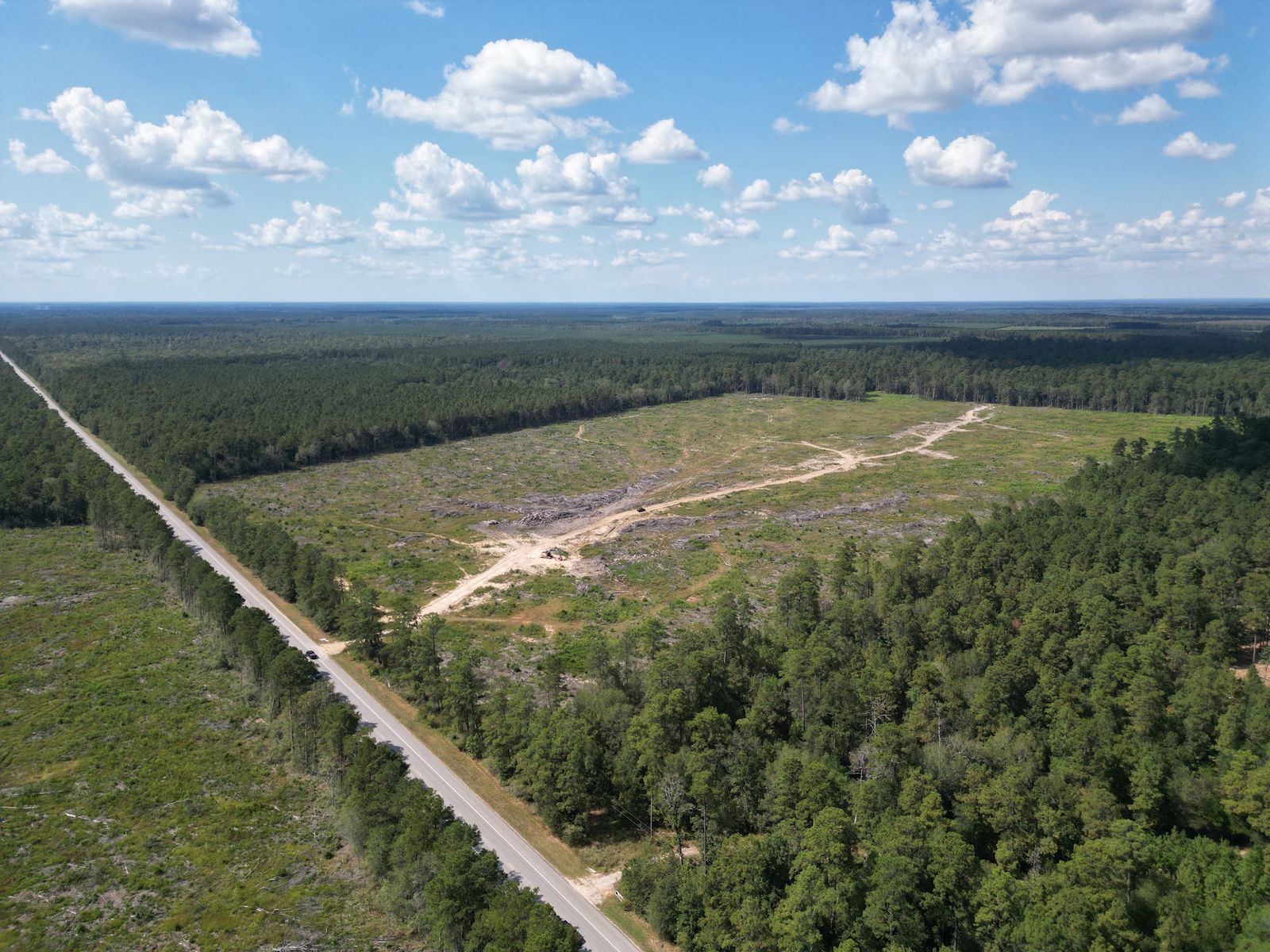
The choice between acreage and a subdivision lot comes down to one honest trade-off: acreage buys you privacy, space, and freedom from an HOA, but it costs more in utilities, site work, and driveway. A subdivision lot costs far less to build on because the infrastructure is already there — but you build inside deed restrictions and an architectural review. Neither is “better.” One fits how you want to live; the other doesn’t.
If the phrase that brought you here was unrestricted land for sale, you’re after acreage with few or no deed restrictions — real freedom to put up a shop, a barn, or a home the way you want it. That freedom is genuine, and so is its price tag. Here’s both sides, from the buyer’s land guide.
On unrestricted or lightly restricted acreage in Montgomery, Waller, or Grimes County, you can build large, keep animals, run a business, and skip the HOA entirely. The catch is that you’re bringing the infrastructure. Expect to budget for:
We break these down fully in the hidden costs of land and in Utilities & Infrastructure Explained.
A lot in a developed or bring-your-own-builder community usually comes with water, sewer, and utilities already at the street, which slashes your site-work bill and shortens your timeline. You also get maintained roads, sometimes amenities, and neighbors who signed the same rules you did. The cost is control: an HOA and an architectural review process decide what you can build, and you give up the wide-open feel. Many of these communities still let you bring your own builder — more on that in Bring-Your-Own-Builder Communities Explained.
We track acreage and community lots across Greater Houston. Tell us which way you lean and we will send real options.
Browse Land OptionsAsk what you actually want out of the property. Room, privacy, and freedom, and you’re willing to pay to bring utilities in? Acreage. Lower build cost, less to manage, and amenities matter more than an extra acre? A community lot. Budget honestly — a “cheaper” raw acre can cost more to build on than a fully served lot once site work is counted.
The comparison that actually matters is total cost to a finished, livable home — and that reshuffles the ranking. A subdivision lot at $180,000 with water, sewer, and utilities at the street may cost less to build on than a $120,000 acre that needs a $15,000 well, a $12,000 aerobic septic, a long power run, clearing, and a driveway. The raw acre wins on sticker price and loses on total cost. Neither is automatically cheaper; you have to price the whole path to move-in.
Acreage and subdivision lots attract different buyers when you sell. Acreage appeals to a smaller, specific pool who want land and freedom; a subdivision home sells to a broader market drawn to schools, amenities, and low maintenance. Neither is better for resale — but it is worth knowing which pool you are building for before you commit, because it shapes both your daily life and your eventual exit.
The numbers matter, but so does how you actually want to live. Acreage means space, quiet, and freedom — room for a shop, animals, a garden, or just distance from the neighbors — traded for more upkeep, longer drives, and being your own utility company. A subdivision means amenities, maintained roads, sidewalks, and neighbors close by, traded for rules and less elbow room. Neither is the “smart” choice in the abstract; the smart choice is the one that matches the daily life you’re building this home to live.
Unrestricted land has few or no deed restrictions dictating what you can build or do on it — so you can put up a shop, keep animals, or build outside a standard subdivision’s rules. It’s freedom, but it also means fewer protections on what a neighbor can do. Always read the actual deed restrictions rather than trusting a listing’s “unrestricted” label.
Land in the path of Houston’s growth — Montgomery, Magnolia, Waller — has generally held value well, but land is less liquid than a home and sells to a narrower pool. Buy it for how you want to live first, with long-term value as a bonus, and price the true cost to build on it.
Most do, along with an architectural review and dues. Some newer communities are lighter-touch; a few acreage-style communities have minimal rules. Confirm the specific community’s restrictions and dues before you buy.
Whichever way you lean, evaluate the specific lot before you commit — the Land & Location guide walks through it.
