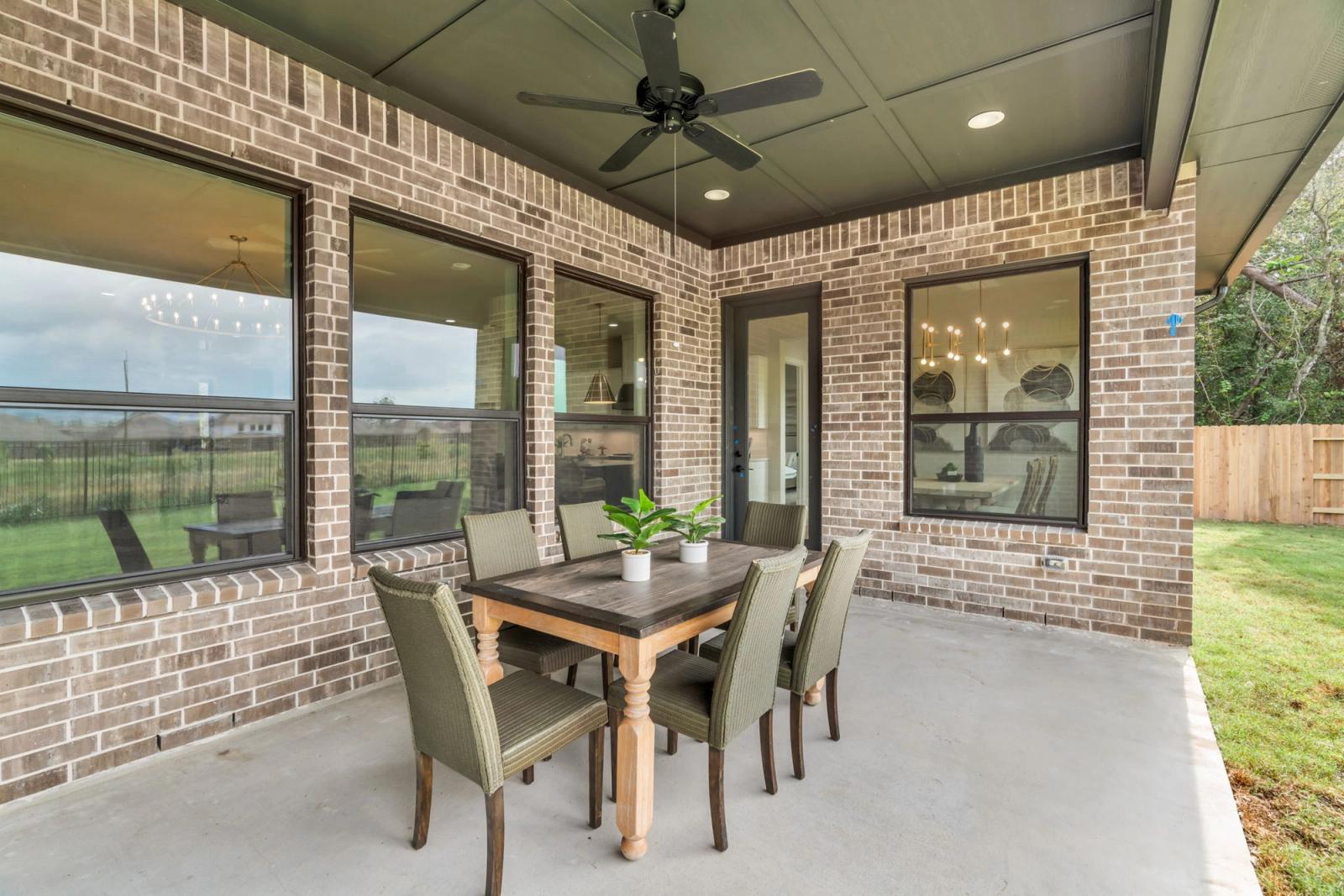
In most deed-restricted communities around Houston, an architectural review committee (ARC) has to approve your custom home plans before you can build. They check that your design meets the community’s guidelines — minimum size, exterior materials, rooflines, colors, setbacks, and sometimes landscaping. It’s a normal, manageable step, but it can add weeks to your timeline and occasionally force design changes, so it’s worth understanding before you finalize plans.
Since Houston has no traditional zoning, deed restrictions and ARCs do a lot of this work — so as the buyer’s guide, here’s how to clear the process cleanly.
Get the community’s guidelines before you design, not after — it’s far cheaper to design within the rules than to redo plans that get rejected. Build the review window into your land-to-build timeline, and choose a builder who’s worked in that community before and knows what the committee expects. This is a real advantage of a bring-your-own-builder community with a builder who knows the ropes.
Reviews can take anywhere from a couple of weeks to a month or more depending on how often the committee meets. Submit complete, correct plans the first time and you avoid a second round. Your builder or designer usually handles the submission, but you should know it’s happening and what it could require.
We know which Greater Houston communities have smooth review processes and which builders clear them easily.
Explore CommunitiesAn architectural review committee (ARC) is the group in a deed-restricted community that approves home plans before construction — checking size, exterior materials, rooflines, colors, and setbacks against the community’s guidelines. Since Houston has no traditional zoning, deed restrictions and ARCs do much of that work.
Anywhere from a couple of weeks to a month or more, depending on how often the committee meets. Submitting complete, correct plans the first time avoids a second round — build the window into your pre-construction timeline.
Yes — unrestricted acreage has few or no rules, in exchange for bringing your own utilities and fewer protections on what neighbors can do. It’s the classic trade-off between freedom and the certainty an ARC provides.
In most deed-restricted communities around Houston, an architectural review committee has to approve your plans before you can build, and the buyers who clear it painlessly do a few things right. They get the community’s guidelines before they design, not after, because it is far cheaper to design within the rules than to redo plans a committee rejects. They build the review window — anywhere from a couple of weeks to a month or more, depending on how often the committee meets — into their pre-construction timeline. And they choose a builder who has worked in that community before and knows what the committee expects, so the submission is complete and correct the first time. Since Houston has no traditional zoning, deed restrictions and these committees do much of that work, and treating the process as a known step rather than a surprise keeps it from becoming a delay.
It is easy to resent architectural guidelines when they limit your plans, but the same rules that tell you what you can build also protect your investment. Minimum sizes, material standards, and design controls are why a community holds its look and its value over time, rather than one neighbor’s choices dragging down everyone’s homes. That is the real trade-off against the freedom of unrestricted acreage: a community’s certainty for acreage’s liberty. Neither is better in the abstract — it depends on whether you value the protection or the freedom more — but understanding that the constraint and the protection are the same thing helps you weigh it honestly.
If you are considering a lot in a deed-restricted community, get the architectural guidelines and the review process in writing before you buy, not after you have designed. Confirm the minimum square footage, exterior material and roofing requirements, setbacks, and any limits on outbuildings, so you know your intended home can actually be built there. Ask how often the committee meets and how long approvals typically take, and fold that window into your timeline. And ask whether they keep an approved-builder list or simply require that any builder meet their standards. Answering these up front is the difference between a smooth review and a redesign, and it is exactly the kind of homework a good guide does with you before an offer.
Architectural review is a normal, manageable step, not an obstacle — as long as you treat it as a known part of the process. Get the guidelines before you design, build the review window into your timeline, and choose a builder who knows the community, and it becomes a smooth approval rather than a surprise delay. The same rules that constrain your plans are what protect your investment over time.
The same guidelines that constrain your plans also protect your investment — they’re why the whole neighborhood holds its look and value over time. Weigh that trade-off against the freedom of acreage, and make sure your architectural style fits the rules from the start. Full guide: Builder Selection & Design.