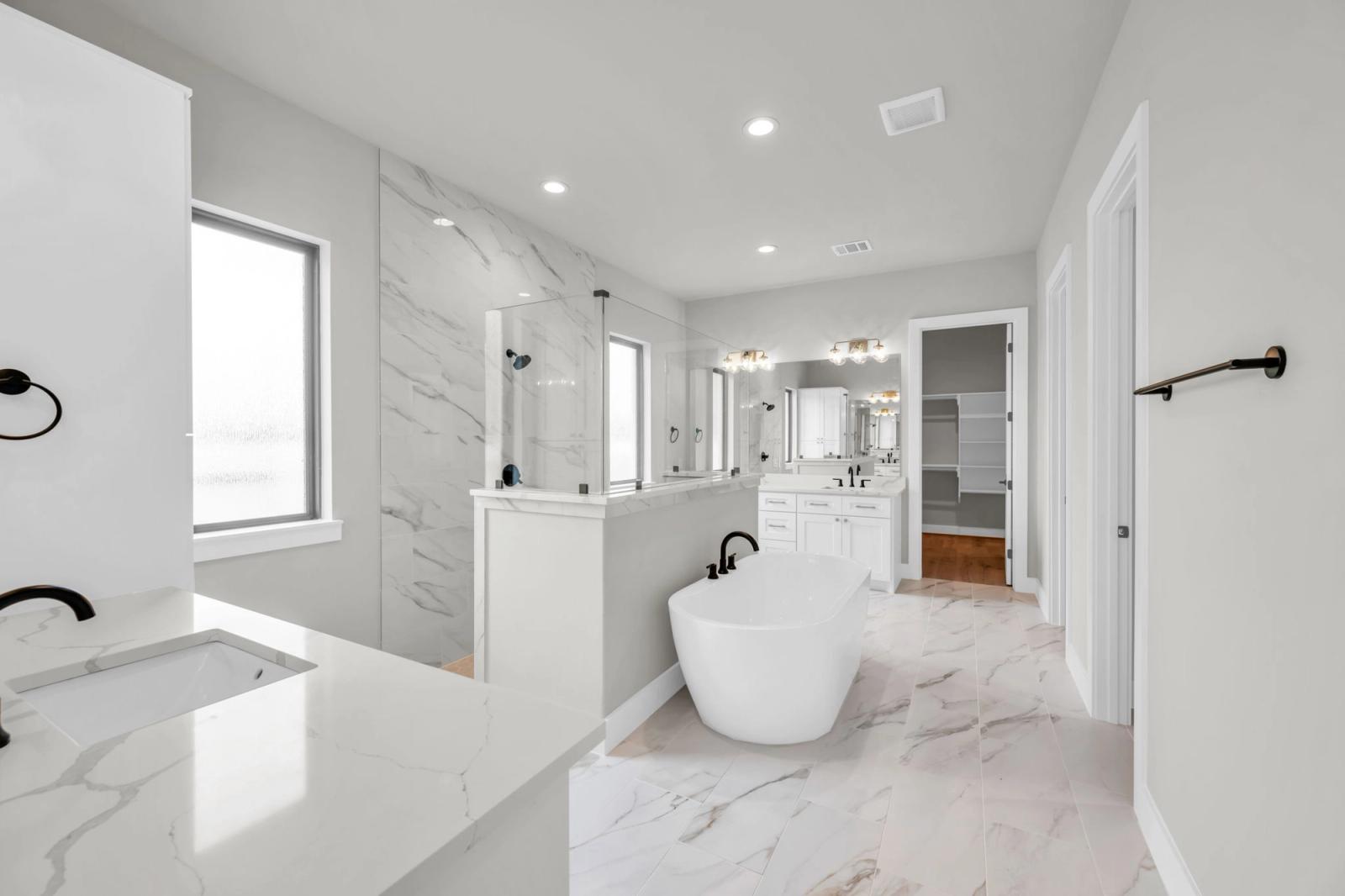
The smartest way to handle upgrades and changes in a custom build is to budget for them on purpose, before you’re standing in a showroom. Set aside a specific upgrade budget on top of your allowances, know what your allowances actually cover, and decide in advance which upgrades are worth it to you. Upgrades aren’t the problem — unplanned, emotional, one-at-a-time upgrades are, because they each feel small and together they blow the budget.
As the buyer’s guide, here’s how to stay in control without saying no to everything you love.
Your builder’s allowances are the baseline dollars for finishes. Anything above them is an upgrade you pay for. If those allowances were set low, ordinary choices become “upgrades” fast — which is why understanding builder pricing models and reading the allowance list in your contract matters before you ever start selections.
An upgrade is choosing a nicer version of something already planned. A change order is changing the plan itself mid-build — and those are pricier and more disruptive because work may already be done. Keep changes to the design phase whenever possible; see understanding change orders.
We help buyers set realistic allowances and an upgrade budget up front — so selections stay fun, not stressful.
Get Budget HelpA practical starting point is 5–10% of your build cost set aside specifically for upgrades, sized to how much finish level matters to you. Decide the number before selections start, and track a running total as you go.
An upgrade is choosing a nicer version of something already planned; a change order changes the plan itself mid-build, which is pricier and more disruptive because work may already be done. Keep changes to the design phase when possible — see understanding change orders.
Favor upgrades that are hard to add later — a better window package, insulation, a smarter layout — over finishes you can swap in a few years. That’s the structural vs cosmetic rule applied to your upgrade budget.
The smartest way to handle upgrades is to budget for them deliberately, before you are standing in a showroom making emotional one-at-a-time decisions. Set a specific upgrade figure on top of your allowances — a practical starting point is 5 to 10 percent of your build cost, sized to how much finish level matters to you. Rank your priorities so you know where the money should go: kitchen, primary bath, flooring, whatever you value most. Then track a running total as you go, so every choice is made against a number you can see. Upgrades are not the enemy of a budget; unplanned, unranked, untracked upgrades are, because each one feels small and together they quietly blow the total.
Keep two categories straight, because they cost very differently. An upgrade is choosing a nicer version of something already planned — a better counter, a nicer fixture — and it is priced into selections. A change order changes the plan itself mid-build, which is pricier and more disruptive because work may already be done. Keep changes to the design phase whenever you can. And when you do spend, favor upgrades that are genuinely hard to add later — a better window package, improved insulation, a smart layout tweak — over finishes you can swap in a few years. That is the structural-versus-cosmetic rule applied to your upgrade dollars, and it makes each one go further.
When you are weighing an upgrade in the moment, run it through two fast questions. First, can I easily change this later? If the answer is yes — paint, a fixture, hardware, even a counter down the road — the pressure to splurge now is low, because it is a cheap future swap. If the answer is no — a window package, insulation, a layout change, anything structural — that is where an upgrade dollar earns its keep, because you cannot cheaply add it after the fact. Second, will I notice and value this every day? Spend on the kitchen you cook in and the bath you use each morning; hold the line on the guest room no one enters. Those two questions cut through most showroom temptation.
Applied consistently, this keeps your upgrade budget flowing toward the things that are permanent and daily, and away from the things that are swappable and rarely noticed. It is the same structural-versus-cosmetic logic that protects your main build budget, just applied at the smaller scale of individual selections — and it is how buyers end up loving what they upgraded rather than regretting where the money went.
When you do upgrade, favor the things you can’t easily change later. A better window package or a smarter layout tweak beats a premium faucet you’ll swap in three years — the structural vs cosmetic rule again. Build a contingency in too, per contingency planning. Full guide: Budget, Financing & Costs.