Cost per square foot is a useful rough gauge, but it’s a myth that it tells you what a custom home will actually cost. Two homes at the “same” price per square foot can cost wildly different totals, because design complexity, finish level, site work, and land all move the number and none of them show up in that single figure. Ask “what’s your price per square foot?” as your first question and you’ll get an answer that feels precise and means almost nothing.
As the buyer’s guide, let’s clear up why this number misleads so many buyers.
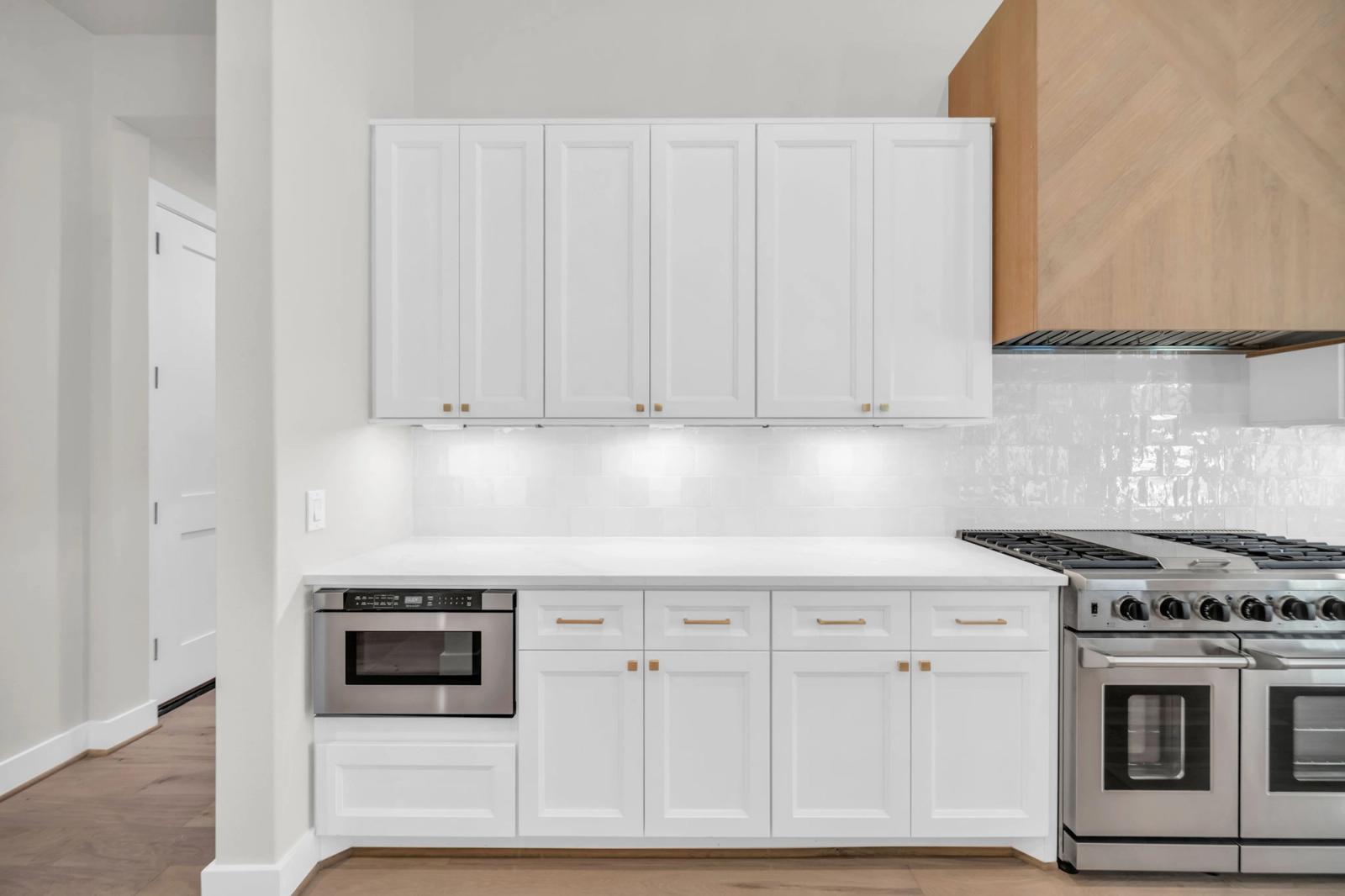
Kitchens and bathrooms are the most expensive rooms per square foot, and a smaller home has more of them relative to its size — so a compact, high-quality home can post a higher per-foot number than a big, simple one. That doesn’t make it a worse deal. Per-foot pricing punishes efficiency and rewards empty volume, which is backwards from how you should actually spend.
Use per-square-foot to sanity-check a range, not to compare two specific builds or lock a budget. For real numbers, get an itemized estimate on your actual plans and lot, and build your budget from the true cost breakdown instead. When comparing builders, make sure you’re comparing the same scope — see how to compare custom builders.
We help buyers get itemized estimates on their actual plans and land — so the budget is real.
Get Cost GuidanceThe reason two builders quote very different per-foot numbers is often that they are counting different things. One includes covered porches and the garage in the square footage; another counts only conditioned living space, which raises their per-foot figure for the exact same home. One quote assumes builder-grade finishes; the other assumes the level you actually want. Unless you know what is inside each number — what square footage counts, what finish level is assumed, and whether site work and land are included — comparing the two figures tells you nothing.
Skip the per-foot question early on and ask for an itemized estimate on your actual plans and lot. That is the only number you can budget against or compare fairly. Build your real budget from the true cost breakdown and, when weighing builders, make sure the scope is identical before you compare — the discipline in how to compare custom builders applies directly.
Two Houston builders quote your project. Builder A says $220 per square foot; Builder B says $265. A looks cheaper — until you read the fine print. A is counting the garage and covered porches in the square footage (which lowers the per-foot number) and assumes builder-grade finishes with no site work included. B counts only conditioned living space, assumes the finish level you actually asked for, and folds in site work. Priced the same way, on the same scope, B may well be the lower total. The headline per-foot number pointed you at the wrong builder.
No. It’s a rough gauge, not a real quote. Design complexity, finish level, site work, land, and even what counts as square footage all move the total without showing up in that single figure. Two homes at the “same” per-foot number can cost very differently.
Kitchens and bathrooms are the most expensive rooms per foot, and a smaller home has more of them relative to its size. So a compact, high-quality home can post a higher per-foot number than a big, simple one — which doesn’t make it a worse deal. Per-foot pricing punishes efficiency.
An itemized estimate on your actual plans and lot, and identical scope when comparing builders. Build your real budget from the true cost breakdown, not a per-foot guess.
Cost per square foot misleads not because builders are being cagey but because it compresses a dozen variables into a single figure that hides all of them. Design complexity is invisible in it — a simple one-story and a two-story full of corners, steep rooflines, and vaulted ceilings cost very differently at the "same" per-foot number. Finish level is invisible too — the identical shell with builder-grade versus high-end finishes can differ 30 to 50 percent per foot. Site work and land vanish entirely, though clearing, pad, utilities, and foundation on a tough lot add real cost. And builders even count square footage differently, some including garages and porches, some only conditioned space. Two honest quotes can therefore differ wildly and both be accurate for what they include.
Per-square-foot is a starting sniff test, nothing more. Spend where it counts using the structural vs cosmetic rule, plan a contingency, and judge builds on itemized scope. Full guide: Budget, Financing & Costs.
