Before you buy a lot, evaluate seven things: flood zone, drainage and elevation, utility availability, legal access, easements, soil, and deed restrictions. Any one of them can quietly add tens of thousands of dollars to your build or make a lot unbuildable for what you have in mind. The good news is you can check most of them yourself, standing on the property, before you ever write an offer.
This is the checklist we run with clients as their land guide. Print it, take it to the lot.
Pull the FEMA flood map for the parcel before anything else — a lot in a Special Flood Hazard Area (Zone A or AE) means higher costs, elevation requirements, and flood insurance. Then look at where water goes in a hard rain. In flat parts of Greater Houston, drainage is the difference between a dry slab and a recurring problem. We go deeper in Soil, Drainage & Elevation Considerations.
Find out what’s actually at the lot: municipal water and sewer, or a well and septic? Is electric at the street or a long run away? Is there a MUD district, and what’s its tax rate? “Utilities available” on a listing can mean “available if you pay to bring them.” See Utilities & Infrastructure Explained.
Confirm the lot has legal, deeded road access — not just a dirt path a neighbor lets people use. Then check for easements: utility, drainage, or pipeline easements can cross a lot and restrict where you’re allowed to build. The survey and title commitment reveal these; read them.
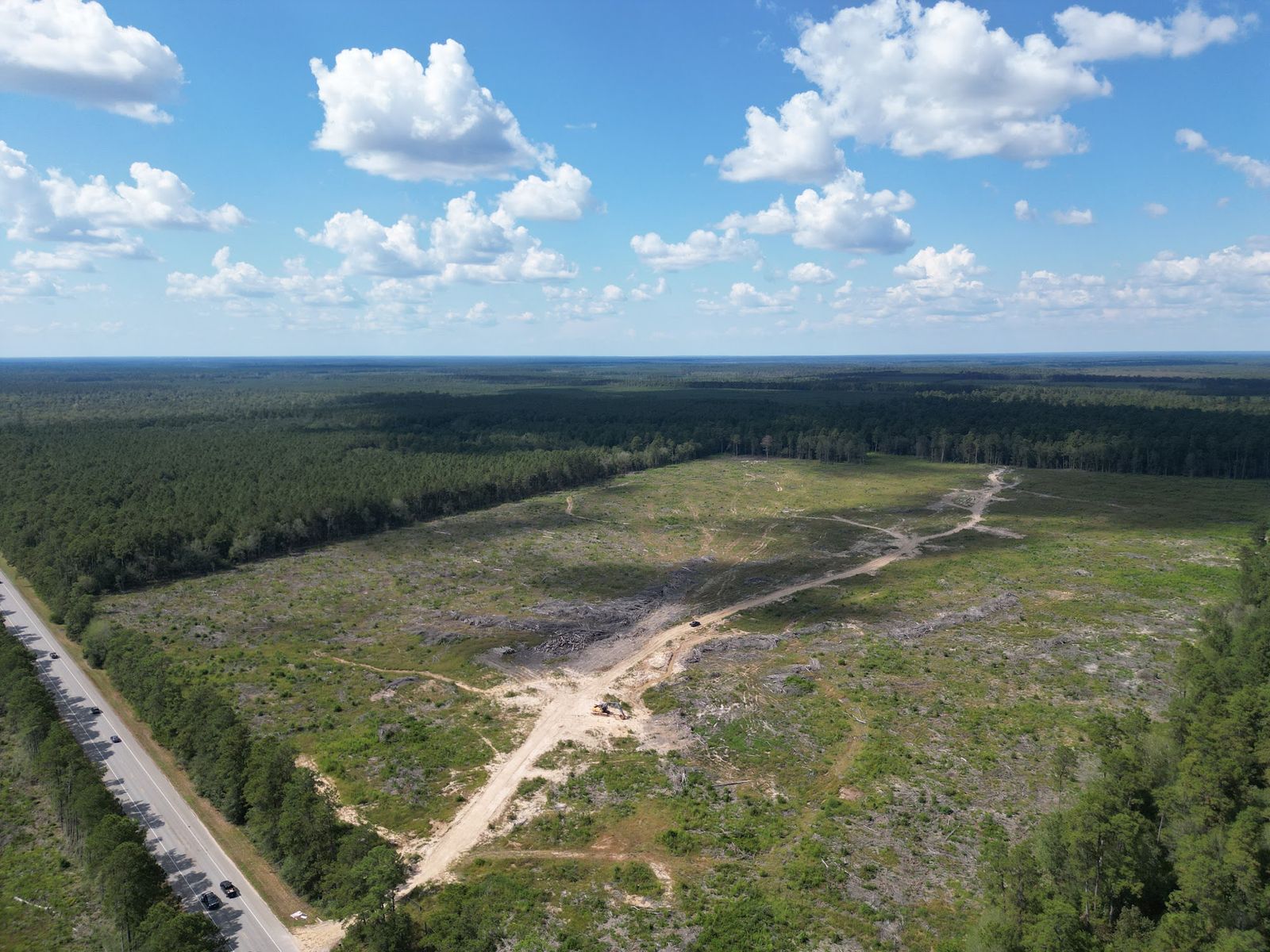
Greater Houston’s clay soils move. A geotechnical (soil) test tells your engineer what foundation the lot needs, and a bad result can add real money. On acreage, also confirm there’s a workable building pad — wooded, wet, or steep ground costs money to prepare.
Found a lot you like? We will help you check flood, utilities, access, and buildability before you commit a dollar.
Request a Land EvaluationRead the deed restrictions and any HOA rules before you buy — they decide what you can build, how big, and out of what. Houston itself has no zoning, but deed restrictions do the same job in most communities. If you want freedom, confirm the lot is genuinely unrestricted.
Look up the parcel on FEMA’s flood map before you do anything else — a lot in a Special Flood Hazard Area (Zone A or AE) means higher costs, elevation requirements, and flood insurance. We treat flood zone and drainage as pass/fail checks, not footnotes.
Ask what utilities are actually at the lot, whether it’s in a flood zone or MUD district, what the deed restrictions allow, whether access is legally deeded, and what the soil is like. The seller and county can answer most of these before you ever write an offer.
A survey confirms boundaries and easements and is standard. A soil (geotechnical) test tells your engineer what foundation the lot needs — critical on Houston clay, and worth doing early since a bad result changes your budget. Fold both into your pre-construction timeline.
Running the seven checks — flood, drainage, utilities, access, easements, soil, and restrictions — is only useful if it drives a clear decision, so treat the results as a simple filter. A lot that passes all seven is worth moving on quickly, because good land does not sit long in this market. A lot that fails on flood risk or legal access is worth walking away from no matter how attractive the price, since those are the hardest and costliest problems to fix. And a lot that passes most checks but carries a known cost — a long utility run, a need for fill, an aerobic septic requirement — is a "yes, at the right price," where you simply fold that cost into your offer math. The checklist is not there to make you anxious; it is there to let you buy with confidence and negotiate from knowledge.
You can do a lot of this evaluation yourself standing on the property, but a few checks reward professional help. A survey confirms boundaries and reveals easements. A geotechnical soil test tells your engineer what foundation the lot needs and is worth doing early on clay-heavy ground. And an experienced local guide or builder can often spot in an afternoon what would take you weeks to learn — how a specific community’s review works, what a given area’s utilities really cost, whether a drainage pattern is a dealbreaker. Bringing the right eyes to a lot before you buy is far cheaper than discovering the problem after closing.
A lot that passes all seven checks is worth moving on quickly — good land moves fast here. One that fails on flood or access is worth walking away from, no matter the price. Price the rest into your budget using the hidden costs of land, and keep going in the Land & Location guide.
